


Description
A lightweight, versatile and reliable laboratory GC, with a modular design and built-in accessories.
Functions & features
Key features
- Modular Design - Built-in Accessories
- Many Standard Application Specific Configurations
- Wind Tunnel Oven and Soft Landing
- Color Touch Screen Instrument Control
- Free standing operation with on-board GC Methods
- Proprietary Digital Signal Processing
- Built-in Instrument Diagnostics
- 1 to 4 Detectors (BCD, FID, FPD, HID, NPD, PID, TID)
- 1, or 2 Injectors (on-Column, or S/S)
- Temperature Control to 0.001°C
- Temperature Program with Multiple Ramps
- EPC Pressure Control to 0.001 kPa
Built-in accessories
Air Concentrator: the air concentrator for the Series 600 Lab GC is built right in. It gives a compact, portable sample concentrator with the shortest possible sample path. A heated valve and heated sample lines keep the path inert, and the sample trap is plumbed for true backflush. The trap can be packed with a range of materials to concentrate the target compounds as well as possible. A built-in vacuum pump loads the sample and a variable flow controller keeps trapping consistent. The DPS Control Software Timeline automates the whole sequence for one sample, or the system can run unattended 24/7, collecting and analyzing a sample about every hour.
Load: the vacuum pump draws the sample from the inlet through the trap, then on to the flow controller and pump, which limits cross-contamination between samples. Inject: the carrier gas sweeps the components from the trap onto the analytical column.
Headspace Concentrator: the headspace concentrator for the Series 600 Lab GC is built right in and keeps the sample path as short as possible. The sample vial is heated, then pressurized consistently before the sample loop is loaded. A fixed sample loop gives reproducible sampling, and the sample lines are flushed between analyses to limit cross-contamination. The DPS Control Software Timeline automates the whole sequence, one sample at a time.
Automated Timeline: first, the carrier gas is diverted to flush the sample lines and the sample probe goes into the headspace vial. Second, the carrier gas flows to the analytical column while the vial heater brings the vial to equilibrium. Third, the vial is pressurized for a few seconds. Fourth, releasing the vial pressure loads the sample onto the sample loop. Fifth, the sample valve turns on and the carrier gas sweeps the components from the loop onto the analytical column.
Purge & Trap Concentrator: the purge & trap concentrator built into the Series 600 Lab GC shares the air concentrator's trap features. The water sample is purged with inert gas, which extracts the compounds and loads them onto the trap, and a variable flow controller regulates the purge gas for consistent trapping. The DPS Control Software Timeline automates the whole sequence, one sample at a time.
Load: the purge valve turns on the gas stream to the purge vial. The flow controller sits upstream of the trap to limit cross-contamination between samples. Inject: the carrier gas sweeps the components from the trap to the analytical column. With the purge valve off, nothing flows through the other side of the valve; it can be turned on with a blank vial to blow out the sample lines.
Fluidless Column Oven (FCO): in the Standard model, a series of inlet and outlet heaters holds a steady-state temperature profile directly on the analytical column, which connects to the injection port as usual. The injected sample enters the inlet half of the column, where the negative gradient sharpens the peaks as they travel, because the front of each peak is always slightly cooler than the back. The outlet half has a negative gradient too and sharpens the peaks further before they reach the detector. The inlet and outlet profiles are set independently and are easy to adjust for many classes of compounds.
Applications
Industry
HV asset application
Packages & variants
Hardware packages
Talk to an Expert
Not sure which instrument fits the job or need after-sales support?
Related Products

DPS Instruments
GCs
Companion 4 Portable Micro-TCD GC
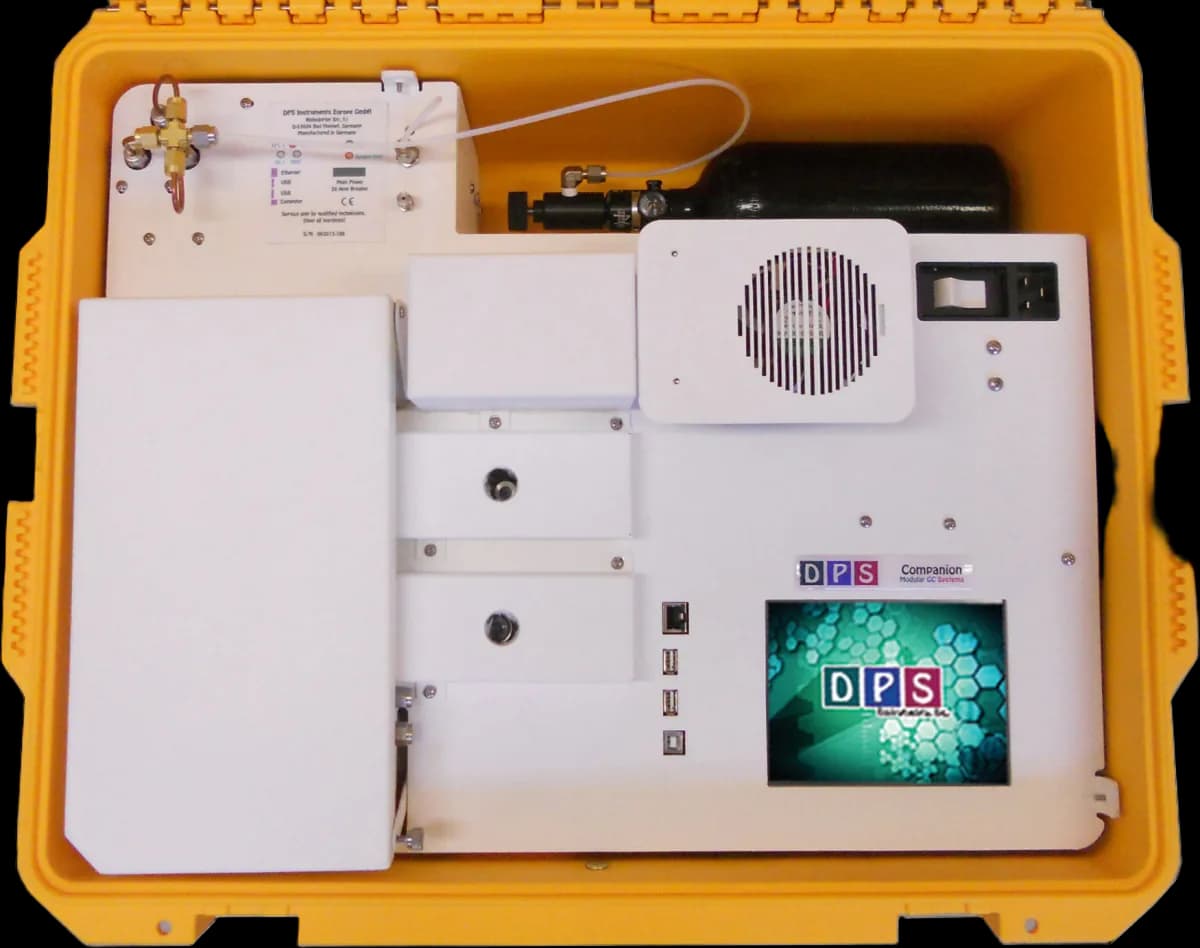
Rugged portable micro-TCD gas chromatograph with one to four column channels, a built-in computer and rechargeable battery; most analyses take under a minute.
Learn more
DPS Instruments
GCs
Micro-TCD GC
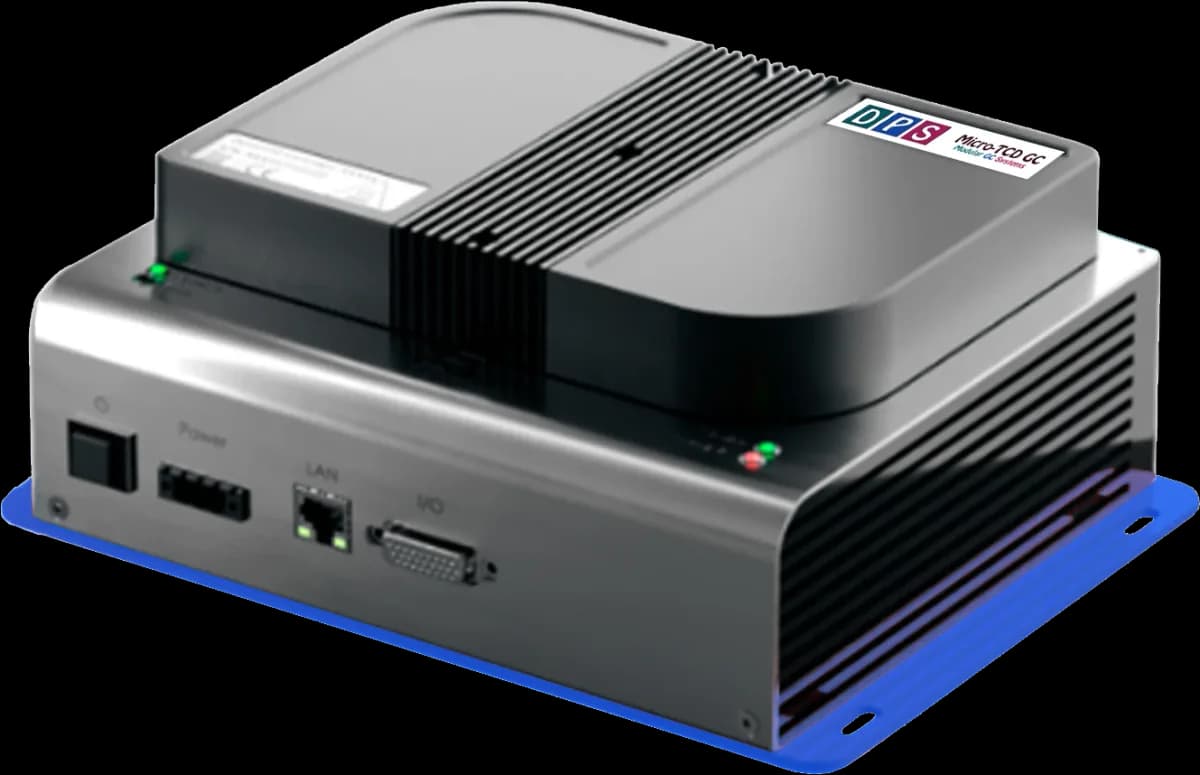
Compact micro-TCD gas chromatograph for unattended continuous monitoring, with one to four column channels, a 3-stream selector and on-board GC methods.
Learn more
DPS Instruments
GCs
Companion 2 Portable GC
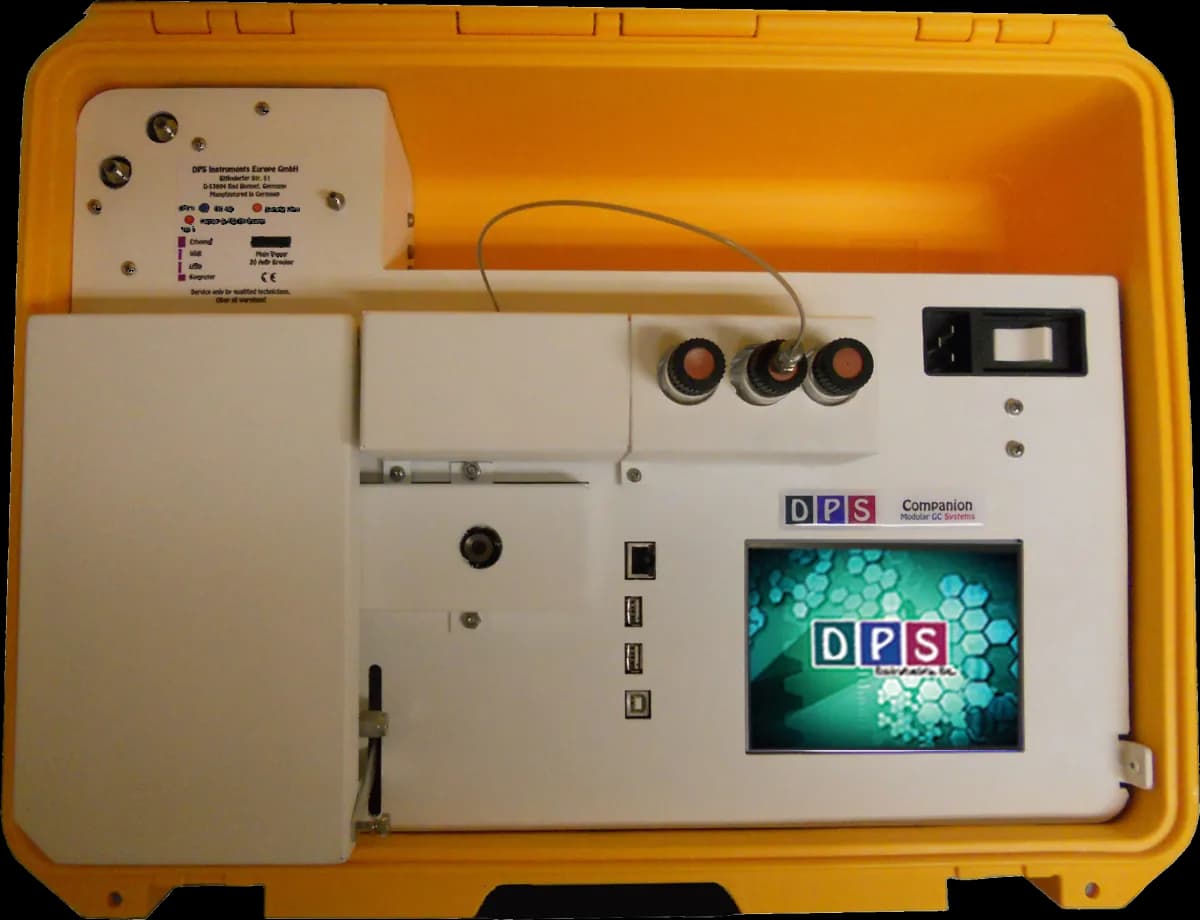
Portable gas chromatograph in a watertight carrying case, taking one or two of seven detector types and optional built-in sample concentrators.
Learn more
DPS Instruments
GCs
Companion 1 Portable GC
Portable gas chromatograph in a watertight carrying case, with one detector (FID, NPD, PID or TID) and optional built-in sample concentrators.
Learn more